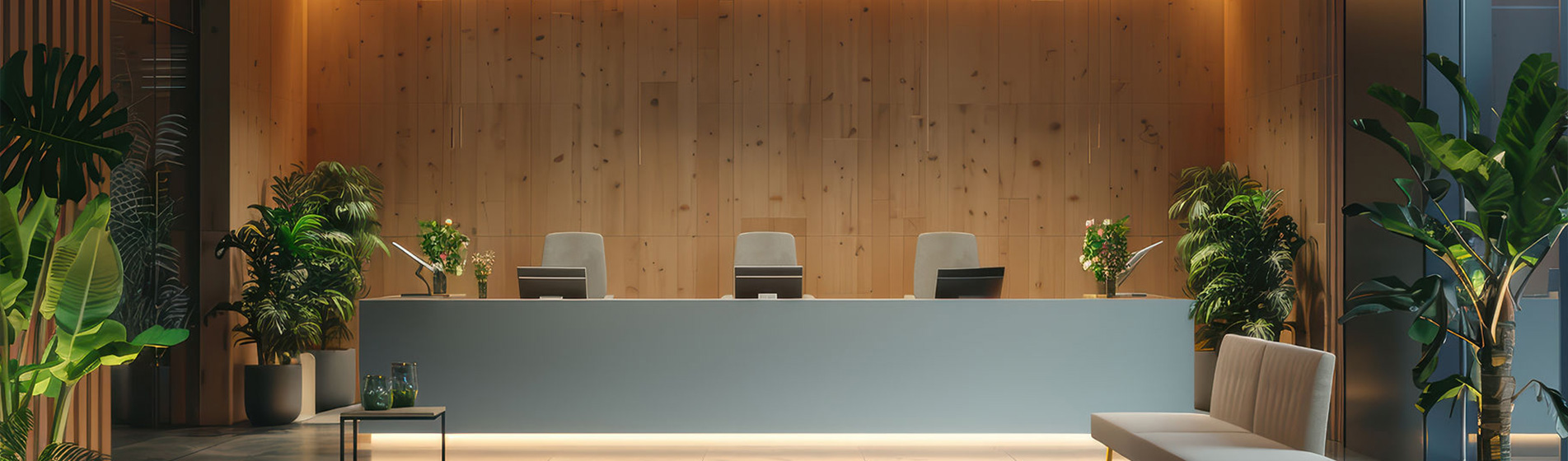
Engineered stone slabs bring real benefits and real trade-offs to kitchen countertops. You gain stain, scratch, and water resistance, a non-porous surface, and a uniform look. You face limited heat resistance, edge chipping, fabrication demands, and higher cost. Weigh these pros and cons for engineered stone countertops. This engineered stone guide helps you judge every countertop option.
Engineered stone starts with crushed natural minerals, usually quartz. Manufacturers mix these minerals with resins and pigments. The mixture then goes through a pressing process and cures into a hard slab. This recipe creates a non-porous surface with enhanced durability and consistency. You get a material that behaves the same way across the whole slab.
The manufacturing process also gives you control over the final look. You can choose from fine grains, bold veining, or solid colors. Each slab matches the next one from the same batch. That predictability makes engineered stone countertops easier to plan around than a material with natural variation.
Natural stone comes out of the ground as a finished material. Every block carries its own pattern, so no two slabs are identical. Engineered stone instead offers a uniform, consistent appearance. You can order a second slab later and expect a close match.
This difference shapes the natural stone vs engineered stone decision. Natural stone countertops bring one-of-a-kind character to a kitchen. Engineered stone countertops deliver repeatable results. Both natural and engineered stone countertops resist daily wear, yet they serve different design goals. Natural stone suits a kitchen that celebrates variation. Engineered stone suits a kitchen that wants a clean, controlled look.
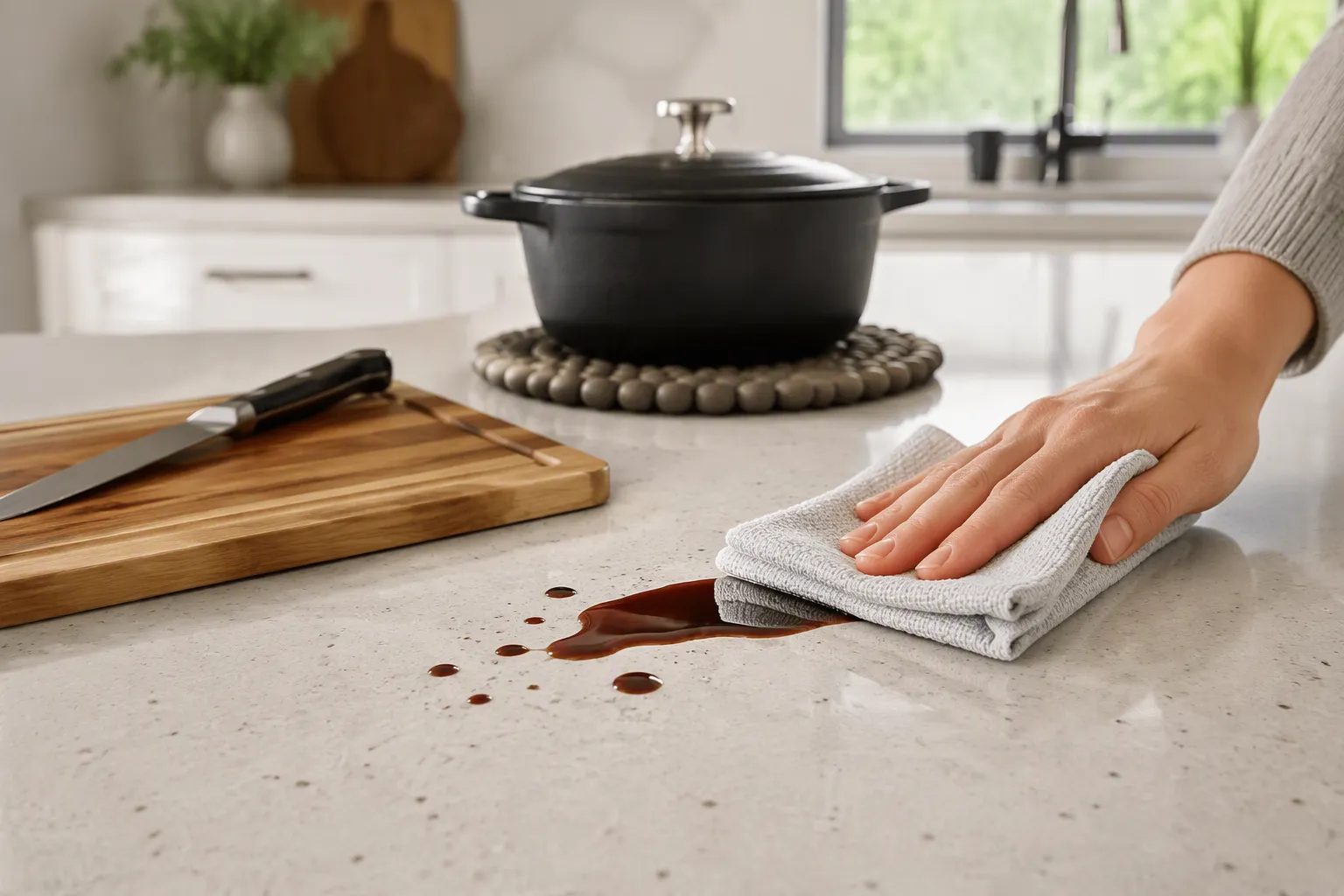
The biggest practical advantage of engineered stone slabs is stain and water resistance. The manufacturing process closes the surface completely. Liquids cannot soak in, so spilled coffee, wine, or oil stays on top where you can wipe it away. This non-porous surface also keeps out moisture that would otherwise work its way into seams and edges over time.
That closed surface does more than block liquids. It stays resistant to stains, moisture, and bacteria, which matters in a room where you handle raw food every day. You can set down a wet sponge or a dripping container without rushing for a towel. A quick wipe with a damp cloth handles most everyday messes. Families with young children notice this benefit fast, because juice spills and sticky fingerprints come off without scrubbing.
One caveat deserves attention here. Engineered stone offers limited heat resistance compared with granite or quartz. The resins in the slab soften under high temperatures. Never place a hot pot or a pan straight from the stove onto the surface. Use a trivet or a heat pad every time. This single habit protects your investment and keeps the surface looking new for years.
Engineered stone countertops score well on scratch resistance. The crushed quartz minerals give the slab a hard surface that stands up to daily kitchen work. You can chop vegetables on a cutting board without worrying about knife marks. A dropped spoon or a sliding ceramic bowl rarely leaves a trace. This durability suits busy households where the countertop doubles as a prep zone, a homework station, and a gathering spot.
The material also handles impact well in normal use. Everyday bumps and knocks do not chip or crack the surface. That toughness comes from the dense mineral content and the pressing process. You get a surface that holds its appearance through years of cooking, cleaning, and family life.
Keep the limits in mind. Durability does not mean indestructibility. A heavy blow to an exposed edge can still cause damage, and a direct hit from a cast-iron skillet may leave a mark. Smart habits extend the life of any countertop. Use cutting boards, lift heavy items instead of dragging them, and protect the edges during renovation work. With reasonable care, engineered stone delivers reliable performance across the whole kitchen.
Engineered stone gives you a very clean, modern countertop appearance. Manufacturers control the mix of minerals and pigments, so each slab carries a consistent design across its full length. You can pick a fine grain, a soft marble-like vein, or a solid tone. The pattern repeats predictably from one slab to the next. That consistency helps when your kitchen layout needs two or three slabs side by side. Seams blend more easily, and the finished room looks calm and deliberate.
This predictability separates engineered stone from natural stone. Natural stone countertops celebrate variation, and every slab tells its own story. Engineered stone countertops instead deliver a controlled, repeatable result. You see the same look in the showroom and in your finished kitchen. For a sleek, contemporary design, that reliability is a genuine advantage.
A non-porous surface makes engineered stone a low maintenance choice. You never apply a sealer, and you never schedule a reseal later. Many natural stone options need periodic sealing to stay protected. Engineered stone skips that chore entirely. Everyday cleaning takes one damp cloth and a mild soap. Sticky spills lift away without scrubbing, and the surface resists stains between cleanings.
This easy care shapes the maintenance story for any busy kitchen. You spend less time on upkeep and more time cooking. The durability of the surface holds up through daily wiping and washing. Compare that routine with natural stone, where sealing and careful cleaning products often enter the picture. Fewer steps mean fewer mistakes, and your countertop keeps its finish with minimal effort.
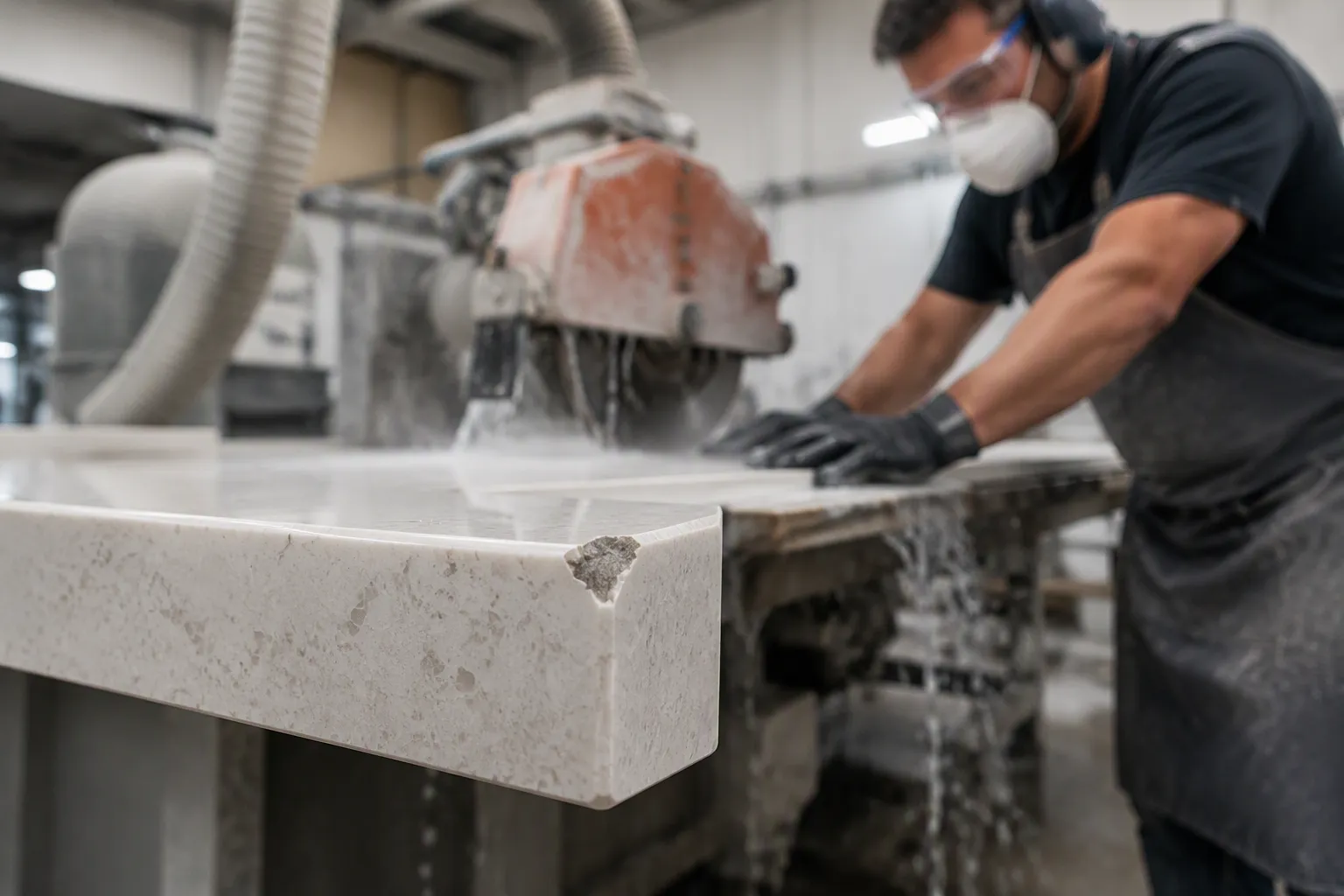
Engineered stone slabs hold up well under daily wear, yet their edges remain the weak point. The same dense mineral content that resists scratches also makes the material brittle at thin profiles. A sharp knock against an exposed edge can chip or nick the surface. You see this risk most often on island perimeters, sink rims, and the corners where a cabinet run ends. A heavy pot swung too close to the counter, or a chair back pushed hard into an overhang, can leave a visible mark.
Impact damage follows the same pattern. The slab handles a dropped spoon without complaint. A direct blow from a cast-iron skillet or a falling can of paint may chip the edge or crack a narrow strip. Heat exposure adds another layer of risk. Limited heat resistance means a hot pan near an edge softens the resin binder, and a softened edge chips more easily. Use trivets, keep heavy items away from the perimeter, and protect edges during renovation work. Careful habits preserve the durability you paid for.
Engineered stone countertops demand specialized fabrication. The material is hard and dense, so standard woodworking tools will not cut it cleanly. Fabricators use diamond-tipped blades and water-fed saws to make accurate cuts. They also need dust extraction equipment, because the cutting process releases fine silica dust. A skilled installer reads the slab, plans the cut sequence, and accounts for the pattern direction before the saw touches the surface.
Seams test that skill. Two slabs joined at a seam must line up in color, pattern, and height. A poor seam shows a visible line and collects dirt over time. Good fabricators match the grain, tighten the joint, and polish the edge so the seam nearly disappears. This work takes experience, and not every shop has it. Ask about fabrication credentials before you hire. Compare that process with natural stone, which many shops cut with familiar equipment. Natural stone still needs skill, yet the tooling is more common. Engineered stone narrows your installer pool, and that shortage can raise labor costs and stretch your timeline. Plan the fabrication stage early, confirm the shop's experience, and budget for the premium. The right fabricator protects both the look and the long-term maintenance profile of your kitchen.
Engineered stone countertops carry a higher upfront price than several alternatives. The material itself costs more to produce, and the fabrication stage adds labor. You pay for diamond tooling, skilled installers, and careful seam work. Those steps protect the finished surface, yet they raise the invoice. Budget-minded renovators often feel this gap first.
Compare the total cost across options before you commit. A lower sticker price can hide future expenses, such as sealing supplies or replacement pieces. Engineered stone skips the sealing line item, and its low maintenance routine saves time over the years. Weigh the initial outlay against that long-term picture. A slightly higher purchase price may still deliver good value in a busy kitchen.
Manufacturers generally do not recommend engineered stone for outdoor kitchens. The resins in the slab react to prolonged sunlight and wide temperature swings. Ultraviolet exposure can fade or discolor the surface over time. Repeated heating and cooling stresses the binder and may cause cracking or warping.
Keep this limit in mind when you plan a patio counter or a grill station. Natural stone handles sun and weather far better in exposed settings. Save engineered stone for interior spaces with stable conditions. If your layout connects indoors and outdoors, choose a different material for the exterior run. That split protects your investment and keeps every surface suited to its setting.
Plan every cutout before fabrication begins. A sink or cooktop opening removes material and weakens that area of the slab. Keep cutouts spaced apart and away from edges. Give your fabricator the exact appliance templates, because a cutout cannot move once the saw finishes. Confirm the sink model and the cooktop dimensions early, then let the shop plan the layout around them.
Overhangs need support. A small overhang beyond the cabinet line works fine on its own. A deeper overhang, such as seating at a kitchen island, needs hidden brackets or legs beneath it. Engineered stone slabs flex very little, so an unsupported span can crack under a person leaning on it. Discuss the seating depth with your fabricator and let them specify the support.
Standard engineered stone countertops come in a common slab thickness, and most kitchens work well with it. A thicker profile creates a chunkier edge that suits a bold, modern design. Some fabricators build that look by laminating a strip to the front edge, which saves material and weight. Ask how the shop forms the edge before you choose.
Thickness affects more than looks. A thicker edge gives the countertop a more substantial feel and adds visual weight to a kitchen island. Weigh that style choice against cost and cabinet capacity. Natural stone follows similar rules, yet engineered stone offers more predictable slabs for planning. Match the thickness to your design goals, then confirm the edge profile with your fabricator.
The natural stone vs engineered stone countertops debate often starts with cost. Granite and quartz sit close in price, and both demand skilled fabrication. Engineered stone countertops match that range, yet they skip sealing supplies. Granite wins on heat tolerance, so you can set a warm pan down without worry. Quartz brings the non-porous surface and easy cleanup you want in a busy kitchen. Weigh durability, aesthetics, maintenance, cost, and environmental impact across all three. Designers report that 56% expect lighter countertops in upcoming projects, and engineered stone delivers those pale tones with reliable consistency.
Granite suits a traditional kitchen where variation feels like character. Quartz suits a modern space that needs a uniform look. Both materials reward careful planning, and neither one limits your layout.
Marble brings timeless beauty and soft veining. It also needs gentle care, because acids etch the surface and stains sink into the pores. Natural stone countertops like marble reward a cook who wipes spills quickly and reseals on schedule. Porcelain offers a tough, heat-friendly surface with a slim profile. Sintered stone disadvantages include brittle edges and a limited color range, so inspect samples before you commit.
Some designers prefer natural stone in traditional kitchens, where authentic character matters most. Others reach for the practicality of quartz in family homes. Compare maintenance requirements before you decide. Marble asks for sealing and careful products. Porcelain asks for careful edge protection. Engineered stone asks for little beyond a damp cloth.
Choosing the right countertop material comes down to your budget, your maintenance preferences, and your design goals. Every option here performs well when you match it to the right room. Think about environmental impact too, since natural stone travels far and engineered slabs use resins. No single countertop wins every category. The best countertop for your kitchen is the one that fits how you actually cook and live.
Engineered stone slabs offer strong stain, water, and scratch resistance plus a low maintenance surface. You accept limited heat resistance, edge chipping risk, fabrication demands, and higher cost. Choose engineered stone countertops for busy kitchens. Engineered stone is a durable, low-maintenance, and uniform option. Weigh natural stone when heat or budget leads. Natural stone suits traditional looks.
Its edges can chip under a sharp, heavy knock. The surface itself resists everyday bumps well. Use trivets, keep heavy items away from the perimeter, and protect edges during renovations.
Manufacturers generally advise against it. Resins react to prolonged sunlight and wide temperature swings, which can fade or crack the surface. Save engineered stone for interior kitchens with stable conditions.
No. The non-porous surface blocks liquids on its own, so you never apply a sealer or schedule a reseal. A damp cloth and mild soap handle routine cleaning.
Scan to Wechat :

Scan to WhatsApp :

Home
products
contact